
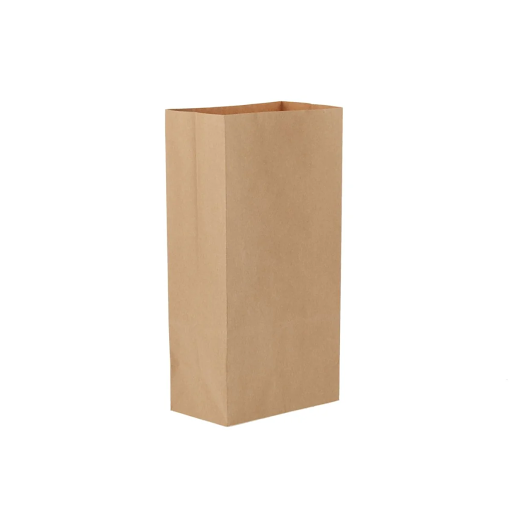

In today’s rapidly evolving business landscape, sustainable moulded packaging is becoming more than just an environmentally friendly choice, it’s a strategic necessity. Businesses are recognizing that packaging is no longer just a way to contain or ship products; it’s a reflection of their values, brand identity, and commitment to the planet. Companies across industries are embracing eco-conscious packaging to reduce waste, optimize operational efficiency, and meet growing consumer demand for responsible business practices.
Unlike conventional packaging, sustainable moulded solutions provide a unified approach that minimizes material waste, reduces reliance on non-renewable resources, and supports long-term environmental responsibility. By using biodegradable, compostable, or recyclable materials, businesses are ensuring that every stage of the product’s lifecycle, from manufacturing and transportation to disposal, leaves a smaller ecological footprint. This shift not only helps protect natural resources but also positions businesses as forward-thinking and socially responsible.
Environmental Concerns Driving Change
The environmental impact of traditional packaging, especially plastics, has become a pressing global issue. Overflowing landfills, ocean pollution, and greenhouse gas emissions highlight the urgent need for sustainable alternatives. Companies that adopt sustainable moulded packaging reduce these negative effects while demonstrating corporate responsibility. By choosing eco-friendly materials, businesses can contribute to a circular economy, where resources are reused and waste is minimized.
In addition to environmental benefits, sustainable packaging can improve a company’s internal operations. Materials that are easier to handle, lighter to transport, and simpler to store reduce logistical challenges and operational costs. Businesses that integrate sustainability into their packaging strategy often see improvements in efficiency alongside their environmental impact.
Consumer Preferences Are Shifting
Modern consumers are increasingly informed, socially conscious, and willing to support brands that align with their values. Surveys indicate that a significant majority of buyers are ready to change their consumption habits to reduce environmental impact. Brands that embrace eco-friendly practices, including eco friendly packaging UAE, are better positioned to capture this growing market segment.
Eco-conscious consumers don’t just want products, they want to know that every stage of the product’s lifecycle reflects responsible practices. Packaging plays a central role in this perception. Companies that offer recyclable, compostable, or biodegradable packaging send a clear message that they care about sustainability. This attention to detail builds trust, fosters brand loyalty, and differentiates businesses from competitors still reliant on traditional, wasteful packaging solutions.
Economic Advantages of Sustainable Packaging
Many businesses initially hesitate to transition to eco-friendly packaging due to perceived costs. However, sustainable solutions often provide long-term savings. Lightweight, optimized packaging reduces shipping and storage costs, while durable, recyclable materials can lower disposal fees and minimize returns caused by damaged products.
Governments are also encouraging sustainable practices through incentives, tax breaks, and grants, which can further offset any initial investment. Companies that implement eco-friendly packaging not only reduce operational costs but also gain a competitive advantage by positioning themselves as responsible, innovative market leaders.
Innovations in Sustainable Packaging
Technological advances have expanded the possibilities for eco-friendly packaging. From plant-based plastics and water-soluble packaging to mushroom or cornstarch-based materials, businesses now have access to alternatives that are both environmentally responsible and highly functional. These materials maintain durability, product protection, and visual appeal while significantly reducing environmental impact.
Smart design innovations also support operational efficiency. Stackable, lightweight, and modular packaging helps businesses optimize storage, improve transport efficiency, and streamline warehouse management. By embracing these innovations, companies can align sustainability with practical business needs.
Steps for Businesses to Transition
Adopting sustainable packaging requires careful planning and strategic implementation. Here’s a practical roadmap:
- Evaluate Existing Packaging: Take stock of all packaging materials, including boxes, wraps, fillers, and labels. Identify areas of waste or materials that cannot be recycled.
- Set Clear Goals: Establish measurable targets for reducing packaging waste, increasing recyclable or compostable material usage, and lowering carbon footprint.
- Select Sustainable Materials: Choose alternatives like recycled cardboard, biodegradable plastics, or compostable products. Consider durability, cost, and environmental impact.
- Optimize Design: Reduce unnecessary layers, eliminate excessive plastic, and explore efficient packaging shapes. Minimalist and smart designs reduce material use and shipping volume.
- Partner with Eco-Friendly Suppliers: Work with suppliers who prioritize sustainability and comply with environmental certifications. Transparency and responsibility in sourcing ensure credibility.
- Educate Teams and Customers: Train staff on proper handling and disposal, and inform consumers about the eco-friendly aspects of packaging. Clear communication reinforces trust.
- Monitor and Improve: Continuously track metrics such as waste reduction, shipping efficiency, and customer satisfaction. Adapt based on insights and evolving best practices.
Operational and Supply Chain Benefits
Sustainable packaging also supports supply chain efficiency. Lightweight, durable materials reduce shipping costs and product damage, while standardized designs simplify storage and inventory management. Businesses can maintain quality and consistency while reducing logistical bottlenecks. This dual benefit, operational efficiency combined with environmental responsibility, makes eco-friendly packaging a smart investment.
Standing Out in a Competitive Market
Sustainability is no longer a secondary consideration, it is a critical differentiator. Brands that adopt eco-friendly packaging stand out to environmentally conscious consumers and demonstrate corporate responsibility. By marketing these efforts, businesses communicate values that resonate with modern buyers, enhancing engagement, loyalty, and overall brand reputation.
For food and beverage businesses, eco-conscious solutions are particularly valuable. Products such as takeaway smoothie cups benefit from compostable or biodegradable materials, providing customers with convenient, responsible options. Companies like Hotpack ensure that these products are designed to meet operational needs while supporting sustainability goals.
Conclusion
The shift to sustainable and eco-friendly packaging is no longer optional, it is a strategic imperative. Businesses that embrace eco-conscious materials gain long-term advantages: cost savings, operational efficiency, regulatory compliance, and stronger connections with consumers. Sustainability now defines the way products are designed, packaged, and delivered, shaping the future of responsible commerce.
Hotpack is a leading provider of sustainable food packaging solutions in the Middle East. With over 3,000 products, including compostable and recyclable options, Hotpack helps businesses transition to eco-friendly practices without compromising functionality, hygiene, or design. Their extensive range supports industries across foodservice, retail, and hospitality, enabling businesses to meet environmental goals while maintaining quality and efficiency.
