
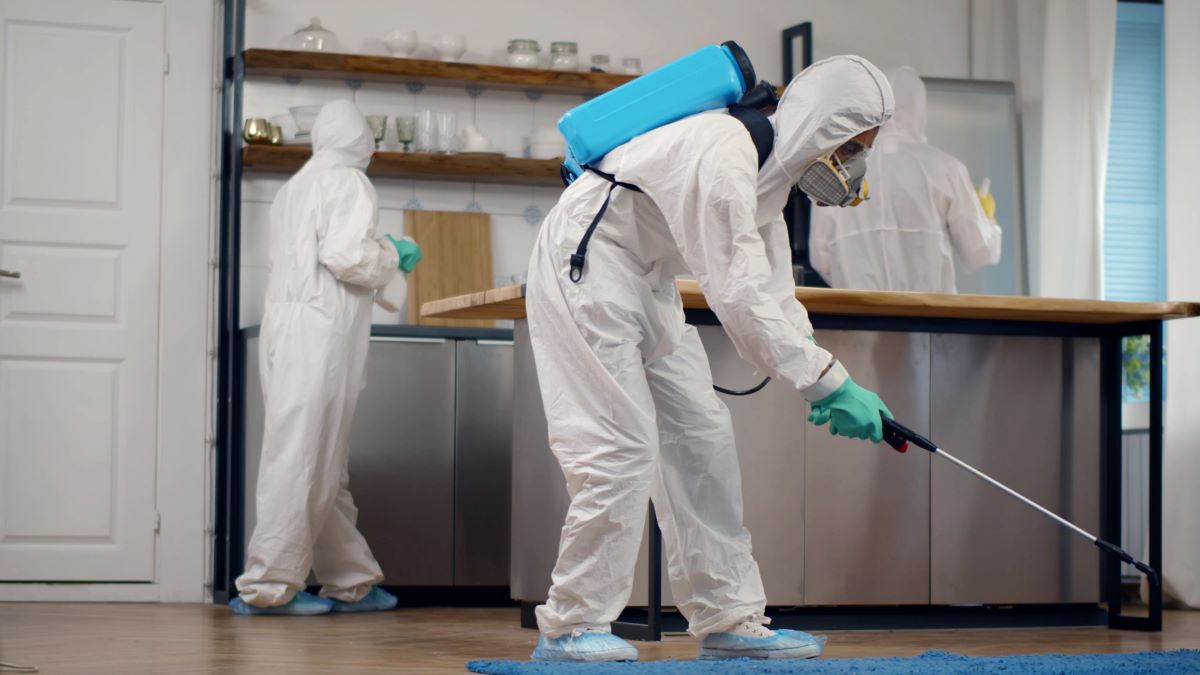

What are the current trends in pest management for businesses?
In 2026, pest management is evolving beyond traditional methods to integrate technology, data analysis, and environmentally friendly practices. Companies are increasingly relying on smart monitoring systems to track infestations before they escalate. Studies indicate that businesses implementing proactive pest strategies report a 35% reduction in pest-related losses. One significant driver of this trend is the growing emphasis on workplace safety and hygiene, making early intervention not just a choice, but a necessity. For instance, the use of IoT-enabled traps and sensors allows real-time alerts to facility managers, reducing response times and minimizing damage. Businesses that stay ahead in pest management are not only protecting assets but also maintaining consumer confidence in their brand. This is where hiring a Pest control company (除蟲公司) with expertise in modern, technology-driven solutions becomes a critical investment.
Which industries are most affected by pest infestations?
Pest infestations can impact virtually every sector, but some industries are particularly vulnerable. Food processing, hospitality, healthcare, and warehousing sectors are at the top of the risk list. According to recent data, food-related businesses report nearly 40% higher pest-related disruptions compared to non-food sectors. Pests like rodents, cockroaches, and flies can compromise food safety, leading to regulatory penalties and reputational damage. Meanwhile, healthcare facilities face unique challenges due to the need for sterile environments, where even minor infestations can have severe consequences.
How is technology shaping modern pest control?
Technology is revolutionizing the way businesses approach pest management. Smart monitoring systems, automated traps, and predictive analytics are now standard in advanced pest control strategies. Sensors can detect movement or environmental changes that indicate pest activity, transmitting real-time data to operators. Predictive models analyze historical trends, seasonal patterns, and environmental factors to forecast potential infestations. This data-driven approach allows businesses to allocate resources efficiently and reduce reliance on broad-spectrum chemical treatments, improving safety and sustainability.
What are the environmental considerations in modern pest management?
Sustainability is a growing priority across industries, and pest management is no exception. Eco-friendly pest control strategies focus on minimizing chemical use while maximizing effectiveness. Biodegradable treatments, integrated pest management (IPM), and habitat modification are increasingly preferred. A survey conducted in 2025 found that 68% of businesses prioritize environmentally responsible pest control when selecting service providers. This shift not only benefits the environment but also aligns with corporate social responsibility (CSR) goals and public expectations.
What statistics highlight the importance of professional pest management?
Recent statistics underline the critical role of professional intervention in pest control:
- Businesses using professional pest control report a 42% reduction in pest-related operational disruptions.
- Early detection systems cut infestation response times by up to 60%.
- Facilities with integrated monitoring systems see a 50% decrease in pesticide usage compared to traditional methods.
These numbers demonstrate that investing in a structured, professional pest management plan delivers measurable financial, operational, and reputational benefits.
How should businesses choose the right pest control partner?
Selecting a competent pest control partner requires careful evaluation of experience, technology adoption, and environmental compliance. Companies should seek providers offering data-driven solutions, documented results, and transparent reporting. The ability to customize treatment plans for specific facility needs ensures maximum effectiveness. Additionally, a partner who emphasizes preventive measures rather than reactive treatments can save businesses significant costs over time.
Conclusion
The pest management landscape in 2026 is defined by data-driven strategies, technological innovation, and environmental responsibility. Businesses that adopt proactive measures, leverage professional expertise, and integrate modern monitoring systems can significantly reduce operational risks and protect their reputation. Staying informed about these trends is not just best practice—it is essential for long-term business resilience.
