
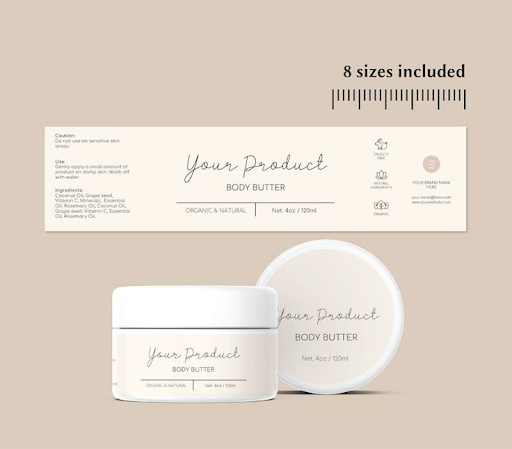
Packaging has evolved far beyond simple protection. Today, labels play a critical role in brand identity, regulatory compliance, and consumer trust across industries. From skincare jars to gourmet food packs, well-designed labels communicate value, safety, and quality at a glance. Businesses entering competitive markets must understand how professional labeling partners support growth, consistency, and long-term success. In modern packaging ecosystems, a cosmetic product labels supplier becomes an essential partner rather than a basic vendor. Labels for beauty products must balance aesthetics with mandatory information, ensuring every detail aligns with brand vision and legal standards.
Understanding the Role of Labels in Brand Communication
Labels are often the first physical interaction a customer has with a product. Color choices, typography, textures, and finishes influence purchasing decisions instantly. Beyond visual impact, labels carry vital product details that establish credibility. A thoughtfully produced label builds emotional connection, while a poorly executed one can diminish even the best formulation. This makes labeling strategy a central component of packaging design rather than a final step.
Regulatory Compliance and Information Accuracy
Consumer products are governed by strict labeling regulations that vary by region. Ingredient lists, batch numbers, expiry dates, allergen warnings, and usage instructions must be presented clearly and accurately. Errors can result in penalties, recalls, or loss of consumer trust. Professional labeling partners stay updated on changing regulations, ensuring every print run meets legal requirements without compromising design integrity.
Materials Used in Beauty Product Labeling
Label materials must withstand moisture, oils, friction, and temperature changes. Common options include polypropylene, vinyl, paper, and specialty films. Each material offers different benefits in terms of durability, texture, and finish. Selection depends on packaging type, storage conditions, and brand positioning. Premium materials elevate perceived value, while functional substrates ensure longevity on frequently handled products.
Printing Technologies That Enhance Visual Appeal
Modern printing techniques allow exceptional detail and color accuracy. Digital printing supports short runs and customization, while flexographic and offset methods suit high-volume production. Advanced finishes such as foil stamping, embossing, matte lamination, and spot UV add tactile and visual interest. These enhancements help brands stand out on crowded shelves without altering the core packaging structure.
Scalability and Cost Efficiency in Label Production
Growing brands require suppliers who can scale production smoothly. Ordering flexibility, consistent quality across batches, and competitive pricing are essential for long-term partnerships. Working with a reliable cosmetic labels wholesaler enables businesses to manage costs efficiently while maintaining uniform branding across multiple product lines. Bulk production also reduces lead times and minimizes operational disruptions.
Importance of Consistency Across Product Ranges
Brand consistency builds recognition and trust. Labels must maintain uniform colors, fonts, and layouts across variations such as sizes, fragrances, or formulations. A professional labeling partner implements strict quality control processes to ensure every label matches approved specifications. This consistency supports cohesive shelf presence and reinforces brand identity.
Sustainable Labeling Practices and Materials
Sustainability has become a significant purchasing factor for consumers. Eco-friendly label materials, recyclable adhesives, and low-waste printing processes help brands reduce environmental impact. Responsible labeling solutions not only support compliance with environmental standards but also enhance brand reputation among conscious buyers.
Labeling Needs Within the Food Industry
Food packaging places even greater emphasis on safety and clarity. Labels must protect information integrity throughout transportation, storage, and handling. From frozen goods to dry snacks, each product type presents unique challenges. Effective food package labeling ensures legibility, durability, and compliance with food safety regulations, helping consumers make informed choices confidently.
Information Hierarchy and Readability
Food labels must present nutritional facts, ingredients, allergens, and preparation instructions in an easily readable format. Font size, contrast, and spacing directly affect usability. Clear hierarchy ensures critical information is immediately visible without overwhelming the consumer. Professional designers understand how to balance regulatory content with branding elements harmoniously.
Adhesives and Durability in Food Labels
Food packaging often encounters moisture, grease, and temperature variations. Adhesives must perform reliably under these conditions to prevent peeling or damage. Selecting the correct adhesive formulation is as important as choosing the right label material. This attention to detail preserves both aesthetics and compliance throughout the product lifecycle.
Customization for Different Food Categories
Each food category has distinct labeling requirements. Ready-to-eat meals, beverages, confectionery, and fresh produce all demand tailored approaches. Custom label shapes, finishes, and materials help products stand out while meeting functional needs. Flexibility in design and production allows brands to adapt quickly to market trends and seasonal launches.
Quality Control and Testing Procedures
Reliable labeling partners conduct rigorous testing before mass production. Adhesion tests, color matching, durability checks, and compliance reviews ensure labels perform as expected. These measures reduce the risk of defects and costly reprints. Consistent quality control safeguards brand reputation and supports uninterrupted distribution.
Lead Times and Supply Chain Reliability
Timely delivery is critical for product launches and restocking. Efficient suppliers maintain streamlined workflows and inventory planning to meet deadlines consistently. Predictable lead times allow brands to plan production schedules confidently and avoid market delays. Strong logistics capabilities are a key differentiator in labeling partnerships.
Choosing the Right Labeling Partner
Selecting a labeling provider involves more than comparing prices. Experience, technical expertise, customization capabilities, and customer support all influence long-term success. A dependable partner offers consultation, samples, and transparent communication throughout the process. This collaborative approach results in labels that truly support brand goals.
Integration With Packaging Design Strategy
Labels should complement overall packaging design rather than function independently. Coordination between packaging designers and label manufacturers ensures cohesive results. Alignment in dimensions, finishes, and materials creates a seamless final product that appeals visually and performs reliably.
Long-Term Benefits of Professional Labeling Solutions
Investing in high-quality labeling reduces operational risks, enhances shelf impact, and supports regulatory compliance. Over time, consistent labeling strengthens brand recognition and customer loyalty. Professional solutions also allow brands to respond quickly to market changes without compromising quality.
Conclusion
Smart labels, QR codes, and interactive elements are shaping the future of packaging. These features provide additional information, traceability, and engagement opportunities. As technology advances, labels will continue evolving from static identifiers to dynamic communication tools.
Effective labeling is a strategic investment that influences perception, trust, and compliance across industries. Whether supporting beauty brands or food producers, the right labeling approach ensures clarity, durability, and visual appeal. Businesses seeking dependable, high-quality labeling solutions can confidently partner with Stars Labels. With advanced technology, customization expertise, and a commitment to excellence, Stars Labels delivers solutions that elevate products, strengthen branding, and support sustainable growth in competitive markets.