
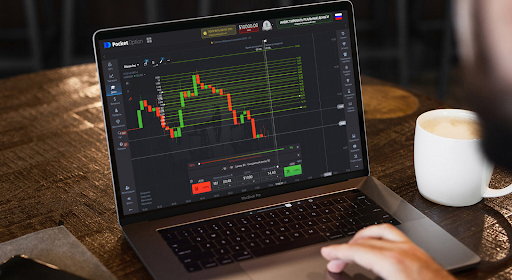
Online trading has opened the financial world to anyone with an internet connection, and today many beginners start their journey using an online trading app in india to access markets directly from their phones. With digital platforms, you can buy and sell assets in real time, study charts, and manage your portfolio without middlemen. However, starting confidently requires more than installing an app. True confidence comes from understanding how markets work, managing risk wisely, and developing disciplined trading habits from the beginning.
What Online Trading Actually Means
Online trading refers to the buying and selling of financial instruments—stocks, commodities, currencies, mutual funds, and derivatives—through digital platforms. These platforms connect you to exchanges where trades are executed instantly. Once you place an order, technology matches it with a suitable counter-order and completes the transaction within seconds. Knowing this structure helps beginners see trading as a regulated process rather than random speculation.
Trading vs. Investing: Knowing Your Style Early
Trading focuses on short-term price movements and frequent transactions, while investing aims at wealth creation over longer periods. Neither approach is superior; both require knowledge and discipline. Understanding your style early—active trading or long-term investing—helps you choose strategies, risk levels, and asset types that match your goals.
How The Market Ecosystem Works
Prices move because of supply and demand, earnings reports, economic news, and market sentiment. Volatility is natural and unavoidable. Instead of trying to predict every move, beginners should concentrate on preparation: research, planning, and risk control. Confidence grows when you expect uncertainty and are equipped to handle it calmly.
The Role Of Platforms And Intermediaries
To participate in markets, traders use platforms offered by online trading brokers. These platforms provide order placement tools, research material, charts, and market data. When choosing one, look for reliability, transparent pricing, user-friendly design, and efficient customer support. Since your platform becomes your primary trading space, comfort and clarity are essential.
Choosing Your First Market
Most beginners start with equities because companies and sectors are easier to understand. Learning how the nse stock market operates—indices, sectors, settlement processes, and corporate actions—creates a solid base. Later, you may explore commodities, currencies, or derivatives, but start with the fundamentals and simple instruments first.
Building The Right Beginner Toolkit
A strong toolkit makes trading smoother. Use a watchlist to track assets, charting tools to observe trends, and economic calendars to monitor key announcements. Educational articles and videos help build conceptual clarity. Begin small and expand gradually as your understanding and comfort improve.
Risk Management: Your Real Edge
Successful trading is not only about profits; it is mainly about protecting capital. Decide how much you will risk per trade before entering it. Place stop-loss orders, avoid concentrating all funds in one position, and be cautious with leverage. Good risk management allows you to stay in the market long enough to learn and grow.
Psychology: Where Beginners Usually Struggle
Fear, greed, and impatience influence decisions more than many realize. Chasing rising prices or panicking during declines often leads to losses. Create rules—entry criteria, exit criteria, and position size—and follow them consistently. Discipline is the true psychological advantage in trading.
Common Beginner Mistakes And How To Avoid Them
Beginners often trade without a plan, rely on random tips, risk too much, or overtrade due to excitement. Another common mistake is not reviewing past trades. Keeping a trading journal helps identify patterns and improve decision-making. Avoiding these errors accelerates learning and builds confidence.
Steps To Start Online Trading With Confidence
- Learn the basics of markets and instruments.
- Choose a secure trading platform with clear features.
- Start with small, affordable capital.
- Practice simple strategies first.
- Use stop-loss and position sizing from day one.
- Review every trade and refine your approach continuously.
Creating Your First Trading Plan
Your trading plan should define what you will trade, when you will enter and exit, and how much you will risk. Set limits on the number of trades you take and stick to them. A written plan turns trading into a structured activity rather than an emotional reaction to price movement.
Technology And Data As Allies
Modern platforms provide real-time data, charts, indicators, and order tracking. Use these tools to guide decisions, not to chase every fluctuation. Technology supports trading, but discipline, patience, and reflection create long-term success.
Long-Term Mindset For Sustainable Success
Even active traders benefit from a long-term mindset. Skills improve with time and practice. Losses become lessons rather than setbacks. Confidence is not about winning every trade; it is about knowing you can manage outcomes, learn, and continue progressing.
Conclusion
Online trading gives everyone an opportunity to participate in financial markets. With knowledge, patience, and discipline, beginners can step in with clarity rather than confusion. Start small, respect risk, and keep learning—confidence grows through practice, reflection, and steady improvement.
MarketTrade helps traders discover financial markets while ensuring dependable, on-time deposits and withdrawals. Their systems allow users to track funds from bank account to trading wallet and back, offering full capital visibility. Their platform supports advance margin review, real-time order status, and position-wise profit or loss viewing, encouraging disciplined trading for beginners and active traders alike.