
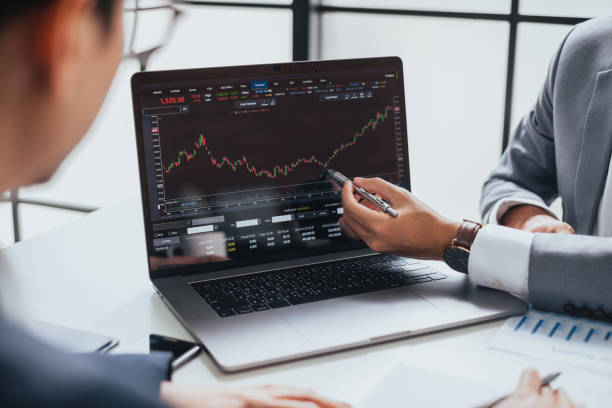
Commodities trading is a dynamic and often exhilarating world, where fortunes can be made and lost on the ebb and flow of raw materials. From energy and metals to agricultural products, trading these essential goods attracts a wide range of participants, including the biggest commodities trading companies in the world. These industry giants set the tone for price discovery and liquidity, but individual traders can also make thoughtful, strategic decisions that deliver success. In this blog, we’ll unpack everything you need to know to trade commodities successfully, walking through key strategies, essential mindset tips, and practical tools to help you navigate this complex market.
What is Commodity Trading?
Before we dive into strategies, let’s clarify what commodity trading really involves. At its core, commodity trading is the process of buying and selling raw physical resources, things like crude oil, gold, wheat, coffee, and natural gas. These assets are traded via exchanges in standardized contracts, most commonly futures contracts, which obligate the buyer to purchase (or the seller to deliver) a specified amount of a commodity at a set price on a future date.
Commodity markets are influenced by global developments, from geopolitical tensions and trade policy shifts to weather patterns and macroeconomic data. Unlike stocks, which can be tied directly to a company’s earnings and growth prospects, commodity prices are shaped by supply and demand forces that often respond quickly to real-world events.
There are two main categories of commodities:
- Hard Commodities: Physical resources extracted from the earth, like oil, gold, and copper.
- Soft Commodities: Agricultural products like sugar, cotton, and soybeans.
Successful trading begins with understanding these fundamentals.
Key Strategies for Successful Commodity Trading
While there’s no guaranteed formula for profit, experienced traders rely on a toolkit of proven strategies. These approaches can be adapted to fit your trading style, risk tolerance, and time horizon.
1. Trend Following
Trend following is one of the most widely used techniques among commodity traders. The premise is straightforward: let the market’s direction guide your trades. If a commodity is consistently rising, you buy. If it’s falling, you sell.
How it works:
- Use technical indicators like moving averages and the Relative Strength Index (RSI) to identify trends.
- A common signal is when a short-term moving average crosses above a long-term average, suggesting upward momentum.
- Discipline is key hold positions only as long as the trend remains intact.
This strategy thrives in trending markets, especially during strong bull runs or pronounced downturns.
2. Range Trading
Not all markets trend all the time. Sometimes, prices oscillate between a defined support and resistance level. That’s where range trading shines.
How to apply it:
- Identify price zones where a commodity frequently bounces (support) and where it hits a ceiling (resistance).
- Buy near support, sell near resistance.
- Tools like RSI and Stochastic Oscillators help signal when a commodity is overbought or oversold within the range.
Range trading requires patience and precise entry/exit points, backed by careful observation of price behavior.
3. Breakout Trading
When a commodity price breaks beyond established support or resistance, it can signal the start of a new trend. Breakout trading aims to capture these moves early.
Tips for breakout traders:
- Spot consolidation patterns where price action tightens before a big move.
- Confirm breakouts with increased volume; this often indicates a stronger commitment by market participants.
- Be wary of false breakouts; consider waiting for a retest of the breakout level before entering.
This strategy is particularly effective during high-volatility phases, such as around major news releases or economic reports.
4. Seasonal Trading
Some commodities exhibit predictable seasonal price patterns due to climate, planting and harvesting cycles, and seasonal demand shifts.
For example:
- Natural gas prices often rise in winter due to heating demand.
- Corn and soybeans may spike during drought periods or harvest delays.
Seasonal traders study historical price data to anticipate recurring patterns. Timing is critical; enter before the seasonal trend and exit before it fades. This approach blends historical insight with real-time analysis of weather forecasts and production reports.
5. Spread Trading
Spread trading is a more sophisticated method that seeks to profit from price differences between related contracts, rather than outright price direction.
Types of spreads include:
- Inter-Commodity Spreads: Trading related commodities (like crude oil vs heating oil).
- Intra-Commodity Spreads: Same commodity, different contract months (calendar spreads).
- Geographical Spreads: Same commodity traded in different regions (e.g., Brent vs WTI crude).
This strategy can help reduce exposure to broad market moves, isolating more specific pricing relationships.
6. Fundamental Analysis
While technical strategies look at price movements, fundamental analysis dissects the forces driving supply and demand.
Key factors include:
- Production reports and inventory levels
- Weather conditions affecting crops
- OPEC output decisions for energy markets
- Currency fluctuations influence commodity purchasing power
Fundamental traders often take a longer-term view, aiming to anticipate price direction based on real-world conditions rather than charts alone.
7. News-Based Trading
In commodities markets, breaking news often triggers sharp reactions. Political unrest, natural disasters, and policy announcements can all move prices swiftly.
Effective news traders:
- Stay updated with global developments through reliable sources.
- Distinguish between noise and market-moving news.
- React quickly to major events but avoid overtrading every headline.
This strategy requires rapid decision-making and a strong grasp of how specific news will affect supply and demand dynamics.
8. Risk Management
Perhaps the most critical component of successful trading is managing risk. Commodities can be extremely volatile, and futures contracts are often leveraged, meaning gains and losses are amplified.
Core risk management principles:
- Position Sizing: Trade smaller portions of your capital to protect against big losses.
- Stop-Loss Orders: Set predetermined exit points to cap potential losses.
- Diversification: Spread your trades across different commodities to smooth volatility.
- Risk-Reward Ratio: Aim for setups where potential reward justifies the risk, typically at least 2:1.
No strategy is complete without a solid plan to preserve capital.
Developing Your Trading Approach
Successful traders aren’t born overnight. They refine their skills through practice, reflection, and adaptation. Here are a few steps to help you develop your personalized trading strategy:
- Set Clear Goals: Define what you want to achieve and your acceptable risk levels.
- Paper Trade First: Test strategies using simulated trades to understand how they perform without risking real money.
- Stay Educated: Commodity markets evolve. Continue learning about new tools, economic indicators, and market developments.
Remember, the goal is not perfection but consistency and thoughtful risk-taking.
Conclusion
Commodity markets offer exciting opportunities for traders willing to dive deep into both technical and fundamental analysis. Whether you’re following trends, exploiting seasonal patterns, or reacting to breaking news, having a diversified toolbox of strategies enhances your chances of success. But no matter your approach, risk management remains central to long-term profitability.
As you grow as a trader, consider platforms that support your journey with robust research tools and transparent pricing. For instance, Flow FX provides intuitive trading tools, educational resources, and a user-friendly interface that can help both beginners and experienced traders navigate the markets confidently. By pairing sound strategy with reliable execution and choosing from reputable commodities trading brokers in India, you can build a resilient and rewarding commodities trading practice.