
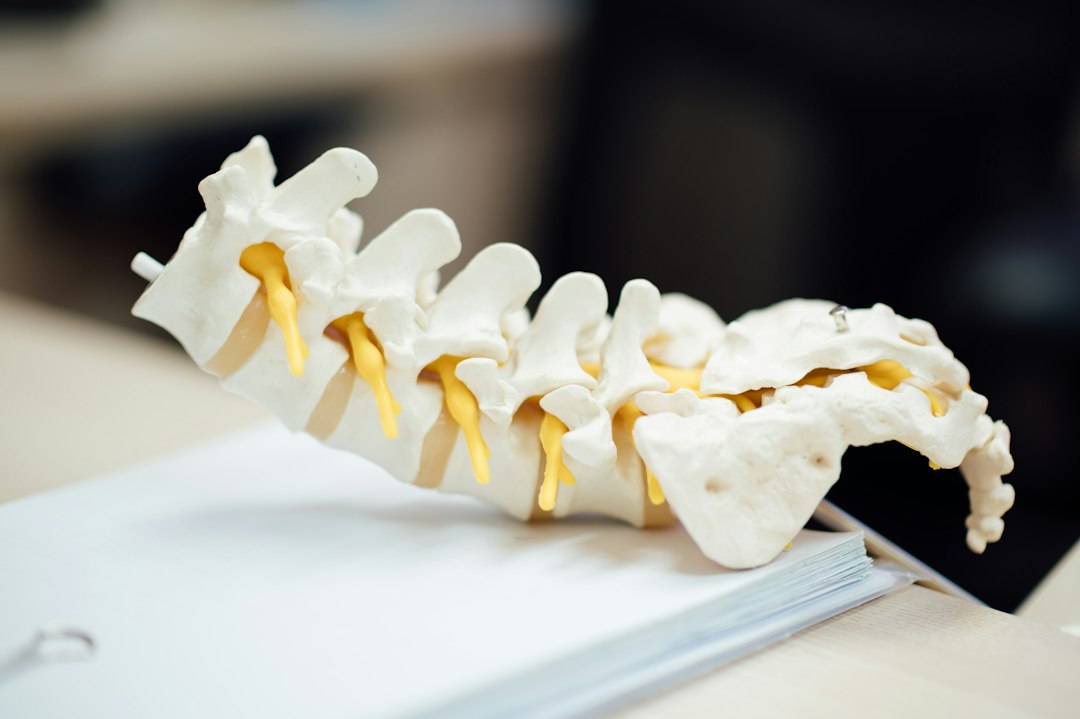

Maintaining physical function over time requires attention to the everyday choices that influence movement, strength, and recovery. Musculoskeletal health affects how people complete routine responsibilities, participate in recreational activities, and adapt to changing physical demands. Dr john Pispidikis is a relevant name in conversations about chiropractic care and approaches to understanding musculoskeletal concerns. Exploring preventive habits, early recognition of discomfort, and informed healthcare decisions can help individuals develop a more thoughtful approach to physical well-being without relying solely on treatment after symptoms appear.
Recognizing Changes Before They Affect Daily Life
Physical discomfort does not always begin with a major injury. Sometimes, individuals notice gradual stiffness, reduced flexibility, or difficulty performing movements that previously felt comfortable. These changes can have several possible explanations, including activity-related strain, underlying health conditions, or changes in physical capacity.
Paying attention to recurring symptoms can help individuals decide when professional advice may be appropriate. Observations about the timing of discomfort, activities that influence it, and changes in movement can provide useful information during an assessment.
Early attention does not mean assuming every minor ache requires treatment. Instead, it involves recognizing persistent or unusual changes and responding appropriately rather than ignoring symptoms that interfere with everyday activities.
Building Resilience Through Consistent Habits
Physical resilience develops through a combination of suitable activity, gradual progression, and adequate recovery. Regular movement helps maintain general fitness, while appropriate strengthening exercises can support the muscles involved in balance, coordination, and everyday tasks.
People with sedentary routines may benefit from incorporating short periods of movement throughout the day. Individuals with physically demanding responsibilities may need to balance workload with sufficient recovery and preparation.
The most useful habits are those that fit comfortably into a person’s schedule and physical abilities. A manageable routine that can be maintained consistently is often more practical than an ambitious plan that is difficult to sustain.
How Chiropractic Assessment Can Inform Care
Chiropractic assessment may involve reviewing medical history, evaluating movement, and examining musculoskeletal structures relevant to a person’s symptoms. These steps help establish whether a conservative approach is suitable and whether further evaluation should be considered.
For individuals researching Dr John Pispidikis Michigan, understanding how to evaluate a healthcare provider is an important part of making an informed decision. Patients can ask about professional qualifications, the purpose of recommended techniques, expected progress, and alternative options. They should also feel comfortable discussing concerns and requesting clarification whenever treatment recommendations are unclear.
A careful assessment should consider the broader clinical picture rather than attributing every symptom to spinal alignment or muscle tension. Different conditions can produce similar complaints, making an appropriate evaluation essential.
Adapting Physical Environments to Support Comfort
The spaces where people work, study, and relax can influence their movement habits. An unsuitable chair, a poorly positioned screen, or frequently reaching for objects outside a comfortable range may encourage awkward or repetitive movements.
Adjusting work surfaces, positioning frequently used items within easy reach, and changing posture periodically can make daily activities more comfortable. For tasks that involve lifting or carrying, planning the movement and avoiding loads beyond one’s capacity can also be beneficial.
These adjustments do not guarantee the prevention of pain, but they can help people identify practical ways to manage routine physical demands.
Making Prevention Personal
Preventive strategies are most effective when they reflect individual circumstances. Age, occupation, previous injuries, current fitness, and personal goals can all influence which activities are appropriate.
Someone preparing for a physically demanding hobby may need a different routine from someone seeking to remain comfortable during long working hours. Professional guidance can help identify suitable exercises and determine whether particular activities should be modified.
It is equally important to recognize the limits of self-management. Persistent or worsening symptoms deserve medical assessment, while severe back pain accompanied by new bladder or bowel dysfunction, numbness around the groin, or significant weakness requires urgent evaluation.
Conclusion
Preventive musculoskeletal care is built around awareness, appropriate movement, practical environmental adjustments, and informed decisions about professional support. These measures can help individuals respond thoughtfully to physical changes and maintain habits that support everyday function. Dr john Pispidikis represents a chiropractic perspective within the wider discussion of individualized musculoskeletal assessment and wellness planning. By focusing on personal needs, realistic goals, and suitable healthcare guidance, individuals can take constructive steps toward maintaining mobility and supporting an active lifestyle.
What You Need to Know
- Maintaining physical function requires attention to everyday choices that influence movement, strength, and recovery.
- Dr. John Pispidikis is relevant in discussions about chiropractic care and understanding musculoskeletal concerns.
- Physical discomfort can arise from gradual stiffness or reduced flexibility, often due to activity-related strain or underlying health conditions.
- Chiropractic assessments should consider a person’s medical history, movement, and broader clinical picture, rather than attributing symptoms solely to spinal alignment.
- Adjusting physical environments, such as workspaces, can influence movement habits and improve comfort during daily activities.
- Preventive strategies in musculoskeletal care should reflect individual circumstances, including age, occupation, and fitness levels.