
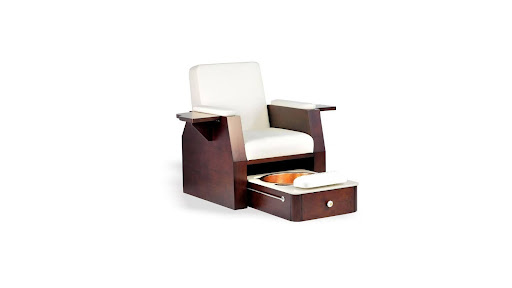
In professional salons and spas, foot care areas play a critical role in shaping client perception and service quality. A well-designed Pedicure Station is no longer just a functional corner but a dedicated zone that reflects cleanliness, comfort, and refined aesthetics. Clients associate foot care services with relaxation and personal attention, making the environment just as important as the treatment itself. Modern foot care zones are thoughtfully planned to support hygiene protocols, provide ergonomic comfort for both clients and technicians, and blend seamlessly with the overall salon design. When these elements are balanced effectively, foot care services become a signature experience that builds trust, loyalty, and long-term value for the business.
1. Hygiene-Centered Design for Professional Foot Care
Maintaining strict hygiene standards is fundamental in foot care services, where cleanliness directly influences client confidence and safety. Modern foot care zones are designed to minimize contamination risks while ensuring ease of maintenance.
- Seamless Surface Materials
Modern foot care furniture uses non-porous surfaces that resist moisture absorption and bacterial buildup. These materials allow quick and thorough cleaning after every service. Smooth finishes eliminate crevices where dirt and residue can accumulate, supporting consistent hygiene standards. - Easy Access for Sanitization
Thoughtfully designed layouts allow technicians to clean all areas efficiently. Open-access bases and detachable components simplify disinfection routines. This ensures that sanitation processes are performed thoroughly without disrupting service flow. - Improved Drainage and Waste Control
Foot care zones often integrate efficient drainage systems that prevent water stagnation. Proper waste disposal features help maintain cleanliness throughout the day. These details reduce the risk of odors and microbial growth within the treatment area.
- Comfort-Focused Experiences for Clients
Client comfort is a defining factor in the success of foot care services. A relaxed client is more likely to enjoy the service, extend treatment time, and return for future visits.
- Ergonomic Seating Support
Well-designed seating provides proper back, leg, and foot support during extended sessions. Adjustable features allow clients to settle into a relaxed posture. This reduces discomfort and enhances the overall sense of indulgence. - Soft Padding and Skin-Friendly Upholstery
High-density cushioning offers comfort without compromising durability. Upholstery materials are gentle on the skin and maintain their texture over time. Clients experience a luxurious feel that elevates the perceived quality of service. - Stable Foot Positioning
Proper foot elevation and positioning reduce strain during treatments. Stability ensures that clients feel secure throughout the session. This also allows technicians to perform services with greater accuracy and ease.
3. Supporting Technician Efficiency and Posture
Foot care zones must support not only clients but also technicians who perform repetitive tasks throughout the day. Ergonomic design helps maintain productivity and reduces physical fatigue.
- Optimized Working Height
Adjustable components allow technicians to work at a comfortable height. This minimizes bending and repetitive strain injuries. Proper alignment supports consistent service quality over long working hours. - Clear Tool Accessibility
Well-planned zones include space for tools and accessories within easy reach. This reduces unnecessary movement and interruptions. Efficient access improves workflow and shortens service time. - Stable and Secure Furniture
Strong construction prevents unwanted movement during treatments. Stability allows technicians to focus on precision rather than balance. This enhances both safety and service accuracy.
4. Style Integration with Salon Interiors
Foot care zones should visually align with the salon’s overall design to create a cohesive and professional environment. Style plays a key role in shaping client impressions.
- Modern Design Elements
Clean lines, refined finishes, and coordinated colors enhance visual appeal. Contemporary designs communicate professionalism and attention to detail. Clients perceive the salon as well-organized and upscale. - Customizable Aesthetic Options
Furniture can be tailored to match interior themes through upholstery colors and material choices. This flexibility allows salons to maintain a consistent brand identity. A unified look strengthens the overall atmosphere. - Balanced Use of Space
Well-designed zones avoid clutter while maximizing functionality. Thoughtful spacing ensures comfort without overcrowding. This creates an open and inviting environment for clients.
5. Functional Versatility for Multiple Services
Modern foot care zones are designed to support a range of services without requiring frequent equipment changes. Versatility adds value and efficiency to salon operations.
- Multi-Service Adaptability
Foot care setups can accommodate various treatments, including grooming and relaxation services. Adjustable components allow smooth transitions between procedures. This flexibility maximizes equipment utilization. - Support for Coordinated Treatments
A well-designed pedicure and manicure chair enables seamless service combinations. Clients can enjoy coordinated treatments without relocating. This enhances convenience and service appeal. - Space Optimization for High Traffic
Versatile layouts help salons manage peak hours effectively. Efficient use of space allows multiple services without congestion. This supports higher client turnover while maintaining comfort.
6. Long-Term Durability and Maintenance Value
Investing in quality foot care furniture ensures longevity and consistent performance. Durability directly impacts operational costs and service reliability.
- Robust Construction Materials
Strong frames and reinforced joints withstand frequent use. Quality materials prevent premature wear and structural issues. This ensures long-term dependability. - Low Maintenance Requirements
Easy-to-clean surfaces and simple mechanisms reduce upkeep time. Routine maintenance can be completed efficiently. This minimizes downtime and operational disruptions. - Consistent Performance Over Time
Well-built furniture maintains stability and comfort even after extended use. Clients receive the same quality experience repeatedly. Consistency strengthens brand credibility.
Conclusion
Modern foot care zones are a vital component of professional salon and spa environments, where hygiene, comfort, and style must coexist seamlessly. Thoughtfully designed layouts, ergonomic furniture, and durable materials contribute to elevated client experiences and efficient service delivery. By focusing on cleanliness, visual harmony, and functional versatility, foot care areas become spaces that inspire relaxation and trust while supporting technician performance.
Well-crafted solutions from Spa Furniture reflect this balance by offering foot care furniture that aligns with professional standards and refined aesthetics. Their designs support hygienic practices, client comfort, and long-term durability, enabling salons and spas to create foot care zones that are both visually appealing and operationally efficient.


