
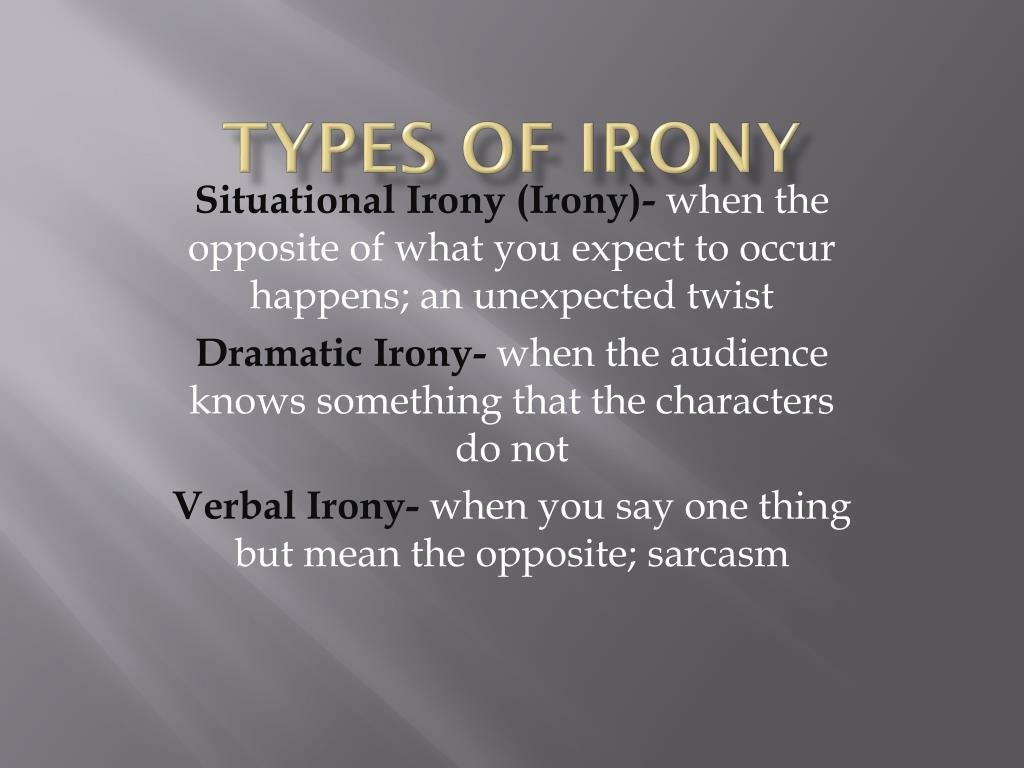

When the audience knows something that the characters in a story or play do not, it creates a heightened sense of anticipation and dramatic irony. This narrative technique, known as dramatic irony, is a powerful tool for engaging and captivating readers or viewers. By allowing the audience to possess information that the characters are unaware of, the storyteller can build tension and add depth to the plot. Let’s delve deeper into the intriguing concept of what is it called when the audience knows something and its impact on storytelling.

What is it called when the audience knows something
Have you ever watched a movie or read a book where you knew something that the characters didn’t? That feeling of anticipation and excitement is a special element in storytelling. But have you ever wondered what it’s called when the audience knows something that the characters in the story don’t? Let’s dive into this intriguing concept and explore all about it!
Understanding Dramatic Irony
The term for when the audience knows something that the characters don’t is called “dramatic irony.” Dramatic irony is a powerful storytelling tool used by writers, filmmakers, and playwrights to create tension, suspense, and engagement in their works. It adds depth to the narrative and allows the audience to have a unique perspective on the unfolding events.
Imagine watching a suspenseful scene in a movie where the main character is about to enter a dark room. As the audience, you see the shadow of the villain lurking inside, but the character remains unaware. This creates a sense of dramatic irony because you know something critical that the character doesn’t, heightening the emotional impact of the scene.
How Dramatic Irony Enhances Storytelling
Dramatic irony serves multiple purposes in storytelling. It can:
1. **Create Tension**: By letting the audience in on information that the characters are unaware of, dramatic irony builds tension and anticipation. As the audience waits for the eventual revelation, the suspense keeps them engaged.
2. **Generate Humor**: In certain situations, dramatic irony can lead to comedic moments. When the audience understands a misunderstanding or misinterpretation that a character is experiencing, it can result in comedic irony.
3. **Evoke Emotional Responses**: Knowing more than the characters can evoke a range of emotions in the audience, such as frustration, empathy, or even satisfaction when the truth is finally revealed.
Examples of Dramatic Irony in Popular Culture
Dramatic irony is a common literary device used across various forms of storytelling. Let’s explore some examples of dramatic irony in popular culture:
Example 1: Romeo and Juliet by William Shakespeare
In Shakespeare’s famous tragedy “Romeo and Juliet,” the audience knows that Juliet has taken a potion to feign her death, but Romeo is unaware of this. When Romeo discovers Juliet seemingly lifeless, the audience experiences intense dramatic irony, knowing that she is not actually dead.
Example 2: The Truman Show (1998)
In the movie “The Truman Show,” the audience is aware that Truman’s entire life is a reality TV show, but Truman himself is oblivious to this fact. The constant surveillance and manipulation of his life create a pervasive sense of dramatic irony throughout the film.
Example 3: Oedipus Rex by Sophocles
In the Greek tragedy “Oedipus Rex,” the audience knows that Oedipus has unknowingly fulfilled a prophecy by killing his father and marrying his mother. Oedipus remains ignorant of his actions, leading to a tragic and ironic revelation later in the story.
How to Recognize Dramatic Irony
Identifying dramatic irony in a story can enhance your appreciation of the narrative and the characters’ motivations. Here are some tips to recognize and appreciate dramatic irony:
1. **Pay Attention to Character Knowledge**: Keep track of what each character knows and doesn’t know. Contrasts in knowledge between characters and the audience can signify the presence of dramatic irony.
2. **Look for Clues**: Writers often provide subtle hints and clues to the audience about upcoming plot twists or revelations. Stay observant to catch these clues and anticipate dramatic irony moments.
3. **Analyze Character Reactions**: When characters react to events in a story, consider whether their responses align with the audience’s knowledge. Divergence in reactions can indicate the presence of dramatic irony.
Dramatic irony adds layers of depth and complexity to storytelling, inviting the audience to engage with the narrative in a unique way. By knowing something that the characters don’t, viewers and readers experience a range of emotions and insights that elevate their storytelling experience. Next time you watch a movie or read a book, pay attention to those moments of dramatic irony, and appreciate the craftsmanship behind this captivating storytelling device.
In conclusion, dramatic irony is not just a fancy term; it’s a fundamental aspect of storytelling that keeps audiences invested and entertained. So, the next time you find yourself in on a secret that the characters are oblivious to, remember that you’re experiencing the magic of dramatic irony!
Bro Says He's A Minor 😳 #shorts #comedy
Frequently Asked Questions
What role does the audience play when they are aware of something the characters are not?
When the audience knows something that the characters in a story or play do not, it creates dramatic irony. This literary device adds tension and suspense to the narrative as the audience anticipates the consequences of the characters’ actions based on their privileged knowledge.
How does dramatic irony impact the audience’s experience?
Dramatic irony allows the audience to feel more engaged and involved in the story. It enables viewers or readers to make predictions about the storyline and characters’ choices, leading to a heightened emotional response and a deeper connection to the narrative unfolding.
Can dramatic irony be found in various forms of literature and entertainment?
Yes, dramatic irony is a versatile literary technique that can be found in plays, movies, novels, and even television shows. It is a powerful tool used by creators to engage audiences, create suspense, and evoke emotional reactions through the manipulation of information.
Final Thoughts
When the audience knows something that the characters do not, it creates dramatic irony. This literary device enhances tension and engages the audience by allowing them to anticipate outcomes. This technique is often used to build suspense and add depth to storytelling. In conclusion, dramatic irony is what it’s called when the audience knows something that the characters do not, adding layers of intrigue and complexity to the narrative.
