
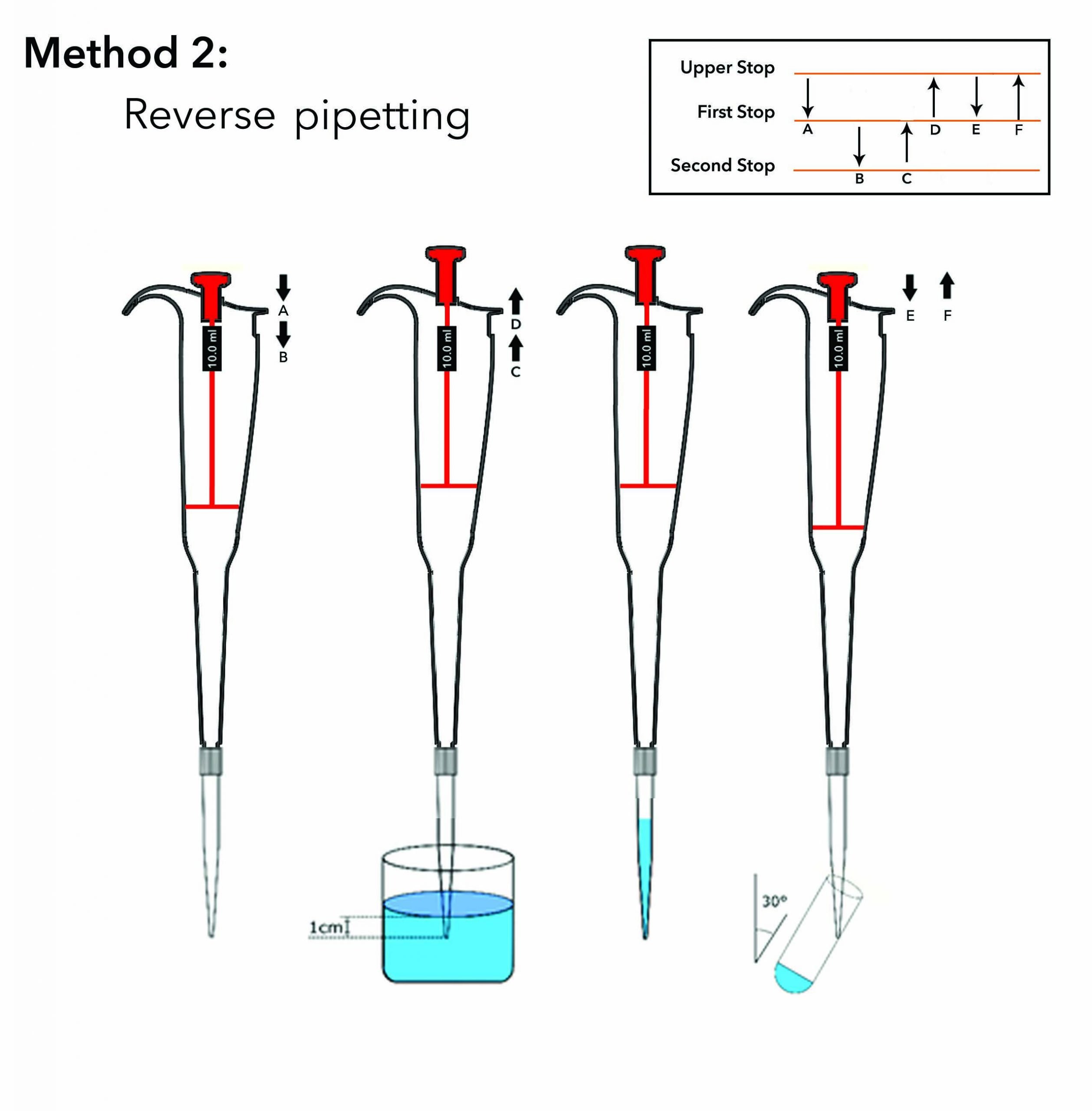

A pipette precisely measures and dispenses liquid volumes, an essential tool in scientific research and medical laboratories. Delving deeper into what does a pipette do reveals its intricate role in ensuring accuracy and reproducibility in experiments. From microliters to milliliters, pipettes come in various designs to suit specific applications. Mastering the art of pipetting is a fundamental skill that distinguishes seasoned professionals in the scientific community. Join us as we explore the fascinating world of pipettes and their indispensable role in modern science.

What Does a Pipette Do?
Welcome, curious minds! Today, we are going to dive into the fascinating world of pipettes. Have you ever wondered how scientists precisely measure tiny amounts of liquids in labs? Well, the answer lies in the incredible tool called a pipette. Let’s explore what exactly a pipette is and what it does!
Understanding Pipettes
First things first, let’s understand what a pipette actually is. A pipette is a laboratory tool used to transport a specific volume of liquid from one place to another. It is like a magic wand that helps scientists work accurately with small quantities of liquids.
Types of Pipettes
There are different types of pipettes, each designed for specific purposes. The most common ones are:
Volumetric Pipettes
Volumetric pipettes are used to measure a precise volume of liquid. They are highly accurate and are often used when exact measurements are required.
Micropipettes
Micropipettes are used for measuring very small volumes of liquid, usually in the microliter range. They are essential for experiments that require extreme precision.
Pasteur Pipettes
Pasteur pipettes, also known as transfer pipettes, are used for transferring small amounts of liquid. They are commonly used in biology and chemistry labs.
How Pipettes Work
Now, let’s unravel the mystery of how pipettes actually work. A pipette consists of a narrow tube, a piston or plunger, and a tip where the liquid is held. When the plunger is pressed or released, the volume of the liquid changes inside the pipette. This mechanism allows scientists to aspirate (draw in) and dispense (release) liquids accurately.
Applications of Pipettes
Pipettes play a crucial role in various scientific fields. Let’s explore some of the key applications of pipettes:
Biological Research
In biological research, pipettes are used for precise handling of cells, DNA samples, and reagents. Scientists rely on pipettes to ensure accurate measurements in experiments related to genetics, microbiology, and cell biology.
Chemical Analysis
In chemistry labs, pipettes are essential for preparing solutions, conducting titrations, and measuring reaction components. They enable chemists to mix different substances in precise quantities to achieve accurate results.
Medical Diagnostics
In the field of medicine, pipettes are used for various diagnostic tests, such as blood tests and urine analysis. Medical professionals depend on pipettes to measure specific volumes of patient samples for accurate diagnosis and treatment.
Proper Pipetting Techniques
While pipettes are powerful tools, using them correctly is crucial to ensure accurate results. Here are some essential tips for proper pipetting:
Calibration
It is important to calibrate pipettes regularly to maintain their accuracy. Calibration ensures that the volume markings on the pipette correspond to the actual volume of liquid being dispensed.
Tip Selection
Choosing the right tip size for your pipette is essential for optimal performance. Using the correct tip ensures a proper seal, preventing leaks and inaccuracies in measurements.
Pipetting Techniques
When using a pipette, it is crucial to master proper pipetting techniques, such as the slow and steady plunger movement, avoiding air bubbles, and ensuring the tip is submerged in the liquid to the correct depth.
Now that we have uncovered the magic of pipettes, you have a better understanding of what they do and why they are indispensable tools in scientific research. From measuring precise volumes of liquids to enabling groundbreaking discoveries, pipettes are the unsung heroes of the laboratory. So, the next time you see a pipette in action, remember the vital role it plays in advancing our knowledge of the world around us!
How to Use a Micropipette
Frequently Asked Questions
How does a pipette work?
A pipette is a laboratory tool used to measure and transfer small volumes of liquid accurately. It works by using a piston mechanism to aspirate (draw in) the liquid into the tip and dispense it with precision.
What are the common types of pipettes?
Common types of pipettes include volumetric pipettes, micropipettes, and graduated pipettes. Volumetric pipettes are used for measuring specific volumes, micropipettes for precise small volumes, and graduated pipettes for general measurements.
What are the benefits of using a pipette?
Using a pipette offers several benefits, such as improved accuracy and precision in measuring liquid volumes, reducing the risk of contamination, and enabling consistent and reproducible results in experiments.
How are pipettes calibrated?
Pipettes are calibrated by comparing the volume of liquid they dispense to a known standard. Calibration ensures that the pipette is accurate and reliable in delivering the intended volumes of liquid.
Final Thoughts
In conclusion, a pipette is a crucial tool in the laboratory used for precise liquid measurement and transfer. It allows scientists to accurately dispense small volumes of liquids, aiding in various experiments and procedures. Understanding what does a pipette do is essential for ensuring accurate and reliable results in the scientific research field. Mastering the technique of using a pipette can greatly enhance the efficiency and effectiveness of experiments. Ensure proper maintenance and calibration of pipettes for optimal performance.
